From 1st April 2019, certain natural therapies, including “Pilates”, are no longer be eligible for claiming under private health insurance rebates. The Department of Health made changes to legislation in 2017 which applies to private health insurance. The purpose of these changes is to remove private health insurance funding for therapies which are not medically based.
This has caused a lot of confusion about who these changes will affect and why.
There are different types of Pilates classes in Australia, including many which are not run by Physiotherapists. Pilates classes that run for fitness-purposes (not for clinical reasons), are not helping to manage any current medical issues or injuries, and are not run by adequately qualified instructors are the types of Pilates classes that are no longer claimable with private health insurers.
As Physiotherapists are qualified allied health professionals, who can diagnose issues and prescribe interventions including treatments or exercises, you should still be able to claim for the classes which are under the Physiotherapy Group and Class consultation item code. However, as each private health insurer is its own private company, they can enforce their own rules if they choose.
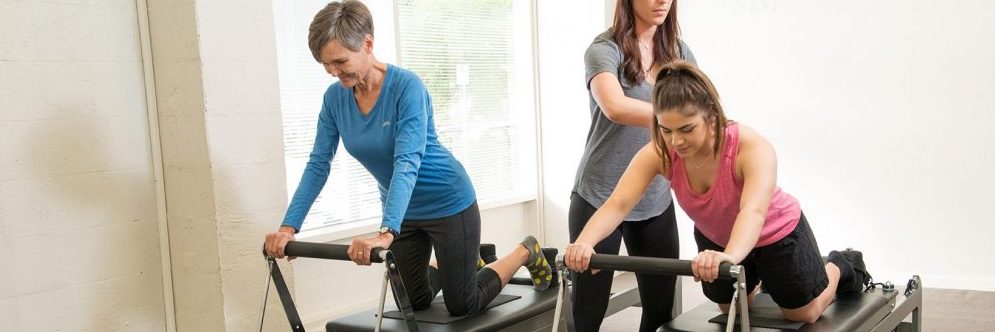
At Move, our Equipment classes fall under the Group Consultations item code.
These Group Consultations are:
We also:
These steps should mean that your current exercise services will continue to qualify for private health insurance rebates with the majority of private health insurers, providing you have Physiotherapy Extras Cover. It is always best to check with your individual providers regarding your personal circumstances if you are unsure.
Currently, the two class types run from Move for Better Health that are not eligible for claiming under private health insurance include our Pilates Mat and Pilates Reformer Classes. This is because, unlike our Equipment Classes, these services are not tailored to individual participants or part of injury rehabilitation plans, but rather tailored for general fitness, maintenance and strengthening with all participants doing the same exercises for the duration of the class.
Some private health insurers require you to have a Physiotherapy assessment every year if you are currently partaking in Group or Class Consultations with a Physiotherapist. (Although as we mentioned before, each fund has its own rules, so to be certain if this applies to you, we recommend you check with your insurer directly).
If you are a attending a class which falls under the Group or Class Consultations code and have not had a review within the last 12 months, then we advise you contact us to book one in.
We have always recommended regular reviews, especially if your condition has changed. Reviews are important in ensuring your exercise program is still appropriate, challenging, and relevant. It also means that we can adapt your exercises to suit any new goals or issues which may have developed since your program was originally written.
Each fund is its own company with its own rules. If your health fund doesn’t cover Physiotherapy Group or Class Consultations, feel free to speak to us and we may be able to assist you to find one that does.
Remember – you don’t need to have your Extras and Hospital cover with the same Private Health Insurer, you can get your Extras through one insurer and Hospital with another if you find that works better for you.
We do offer alternate payment options for classes, for example 10 session passes, which brings down the cost per class. If you are unable to claim with private health, this may be a good alternative to consider.
Yes – the changes to Pilates claiming stem from the Private Health Insurance Reforms in 2017. There were a number of other changes recommended in these reforms, which will come into effect from 1st April 2019, including:
Hopefully this gives you some more insight into these changes. If you’d like to read the full list of the private health insurance reforms, which includes further information on administrative changes, options for privately insured patients in public hospital, and changes to support private hospitals, you can visit the Department of Health website.
Alternatively you can visit the Australian Physiotherapy Association, which provides information on all the above, on their website here.